In 2026, one question continues to come up in homes, offices, factories, and commercial buildings across India: “Is solar still worth it?”
A few years ago, solar energy was often seen as an expensive technology that only environmentally conscious people invested in. Today, the conversation has completely changed. Rising electricity bills, improved solar technology, government subsidies, and better financing options have made rooftop solar one of the most practical investments for both homeowners and businesses. At Desai Techno Solutions Private Limited, we regularly meet customers who are interested in solar but still hesitate because they are unsure about the financial side of the investment. They want clear answers to simple questions:
- How much can I save?
- What is the payback period?
- What is the return on investment (ROI)?
- Will solar still make sense in 2026?
The short answer is yes. For most residential and commercial consumers in India, solar remains one of the smartest long-term investments available today. The real value of solar is not just in reducing electricity bills but in protecting yourself from continuously rising power costs for the next 20 to 25 years.
Why Solar Is More Relevant Than Ever in 2026
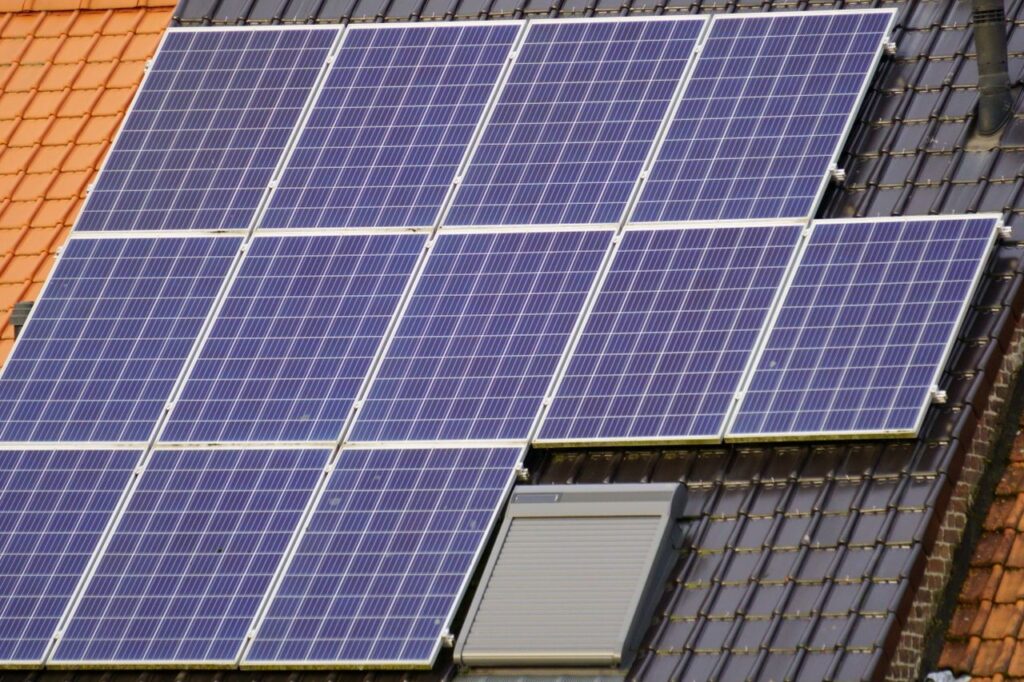
Electricity prices have steadily increased over the last few years, and experts expect tariffs to continue rising in the future. Every time the electricity board increases rates, households and businesses pay more. Solar works differently. Once the system is installed, it starts generating electricity from sunlight every day. Instead of purchasing power from the grid at higher rates, you generate your own energy. This creates predictable savings month after month. Modern solar panels are also far more efficient than older models. New technologies such as TOPC on and HJT panels are producing more electricity from the same rooftop space, helping customers achieve better returns than before. As a result, the financial case for solar has become stronger in 2026 than it was five years ago.
Understanding Solar ROI in Simple Terms
ROI stands for Return on Investment. It simply means how much money you earn or save compared to the amount you invest. Think of solar as a machine that produces electricity instead of a machine that produces products.
For example, if you spend ₹2 lakh on a solar system and save ₹50,000 every year on electricity bills, your investment is generating value every single year. Many rooftop solar systems in India are delivering annual returns between 18% and 25%, which is significantly higher than traditional savings options like fixed deposits. This is one of the reasons why many homeowners and businesses now view solar not as an expense but as a long-term asset.
What Is the Solar Payback Period?
The payback period is the amount of time required for your electricity savings to recover the initial investment cost. In simple words:
Payback Period = Total Investment ÷ Annual Savings
Once the payback period is completed, the electricity generated by your solar system is essentially free. Industry estimates show that most residential rooftop solar systems in India recover their cost within approximately 3 to 6 years, depending on electricity consumption, location, subsidy eligibility, and system size. Considering that solar panels typically last 25 years or more, this means customers enjoy decades of savings after recovering their investment.
Commercial Solar Delivers Even Faster Returns
Commercial and industrial consumers often see even better financial results, because businesses usually consume more electricity during daytime hours when solar production is highest. Factories, warehouses, offices, hospitals, hotels, and educational institutions often pay higher electricity tariffs than residential consumers. Higher electricity costs mean larger savings from solar. Many commercial projects achieve payback periods of 3 to 5 years while generating substantial savings afterward.
For example, a 100 kW commercial solar plant costing around ₹45–50 lakh can save approximately ₹12–15 lakh annually, depending on electricity tariffs and consumption patterns. This makes solar a highly attractive investment for businesses looking to reduce operating expenses.
Government Subsidies Continue to Support Solar Adoption
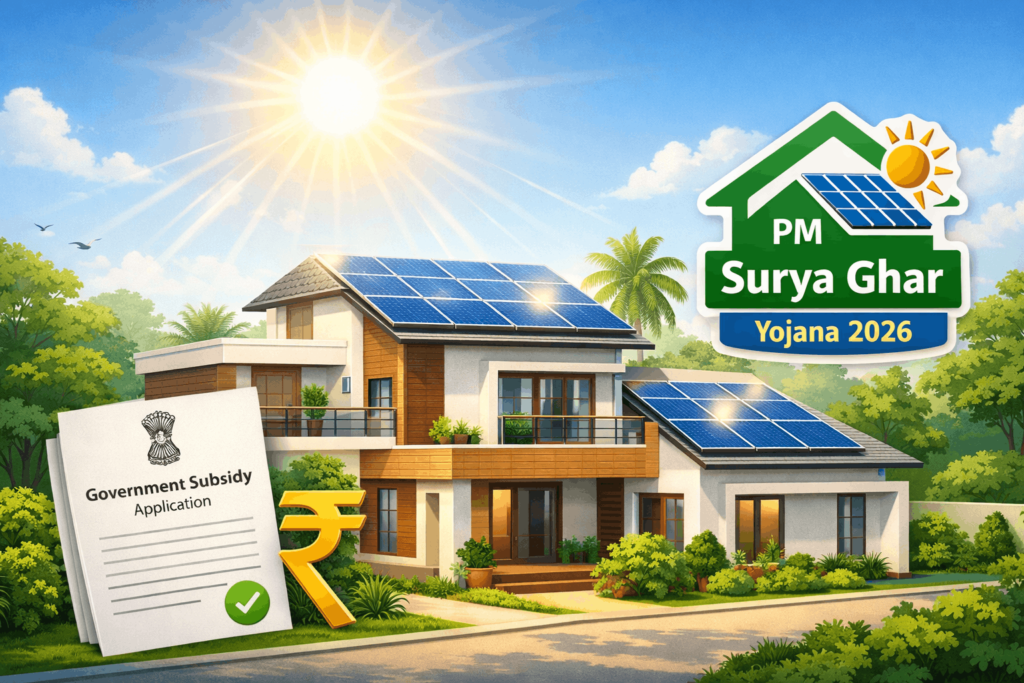
One of the biggest reasons solar remains affordable in 2026 is government support. Under the PM Surya Ghar Muft Bijli Yojana, residential consumers can receive subsidies for eligible rooftop solar installations. Current subsidy levels include:
- 1 kW system: ₹30,000
- 2 kW system: ₹60,000
- 3 kW and above: ₹78,000 fixed subsidy
These incentives reduce upfront costs significantly and shorten the payback period. While subsidies are helpful, many solar projects remain financially attractive even without them because electricity costs continue to rise.
Long-Term Savings: The Real Advantage
Most people focus only on the payback period. However, the bigger story is what happens after recovery of the investment. A solar system that pays for itself in four years can continue generating electricity for another 20 years or more. This creates enormous cumulative savings. Many residential installations can generate lifetime savings ranging from ₹15 lakh to ₹20 lakh over 25 years, depending on electricity usage and tariff growth. Commercial projects often generate several times their original investment during their operational life. When viewed from a long-term perspective, solar becomes less of a purchase and more of a financial strategy.
Factors That Affect Solar ROI
Not every solar project delivers identical results. Several factors influence the final savings and payback period.
- Electricity Consumption
Higher electricity usage usually results in faster returns. Customers with large monthly bills often recover their investment more quickly because every solar unit generated replaces expensive grid electricity.
- Sunlight Availability
India receives excellent solar radiation throughout most of the year. Cities like Pune, Mumbai, Hyderabad, Bengaluru, Ahmedabad, and Chennai offer favorable conditions for solar generation. More sunlight means higher energy production and better ROI.
- Roof Condition and Shadow-Free Space
Trees, neighboring buildings, water tanks, and structural obstructions can affect performance. A clean, shadow-free rooftop always produces better results.
- Quality of Installation
A poorly designed system can reduce savings significantly. Many discussions among solar users highlight that installation quality often determines whether projected savings are achieved. This is why choosing an experienced solar partner is extremely important.
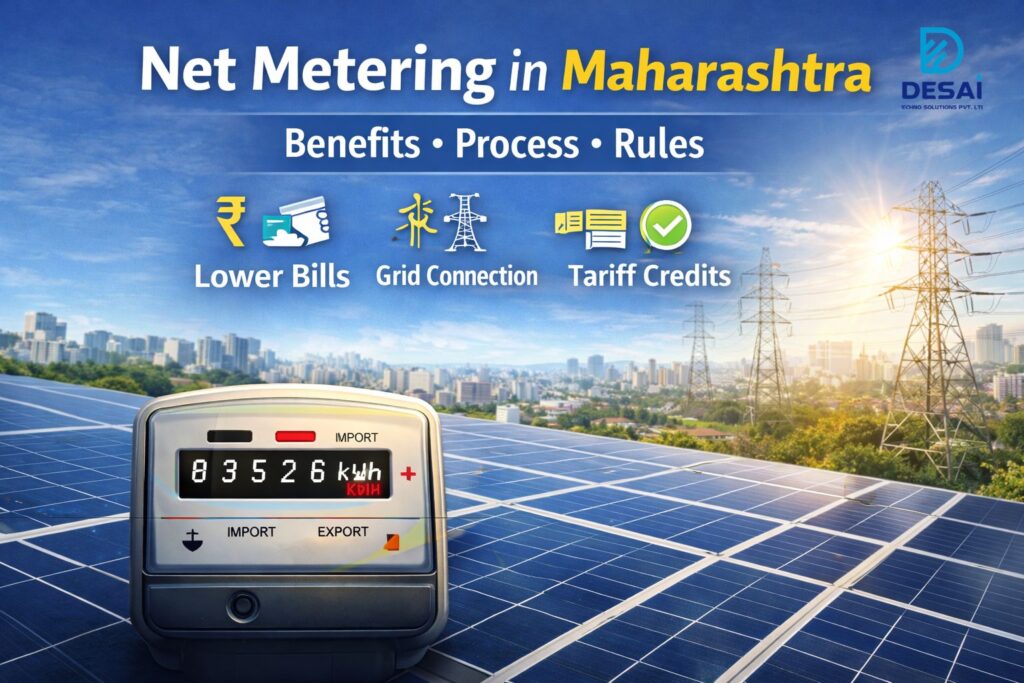
- Net Metering
Net metering allows customers to export excess electricity back to the grid and receive credits. Proper net-metering implementation improves overall system economics and increases long-term savings.
Common Myths About Solar in 2026
“Solar is too expensive.” This was true years ago. Today, falling equipment costs, subsidies, and financing options have made solar more accessible than ever. Residential systems typically cost around ₹38–₹65 per watt, depending on technology and installation requirements.
“Solar doesn’t work during monsoon.” Solar production decreases on cloudy days but does not stop completely. Modern systems continue generating electricity even during overcast weather.
“Maintenance is difficult.” Solar systems require minimal maintenance. Periodic cleaning and routine inspections are usually enough to keep them operating efficiently.
“The technology becomes outdated quickly.” Modern solar panels come with performance warranties extending up to 25 years, making them a reliable long-term investment.
Why Customers Are Choosing Solar in 2026
When we speak with customers, we notice a major shift in mindset. People are no longer installing solar purely for environmental reasons. Instead, they are looking at practical benefits like
- Lower electricity bills
- Protection against tariff hikes
- Faster ROI
- Energy independence
- Long-term financial security
- Better property value
Businesses are especially focused on reducing operational expenses and improving profitability through renewable energy investments.
The Role of Desai Techno Solutions Private Limited
At Desai Techno Solutions Private Limited, we believe that every solar project should begin with a clear understanding of savings, payback, and long-term performance. Our approach is not simply about installing panels.
We focus on:
- Detailed site assessment
- Accurate energy consumption analysis
- Customized system design
- Quality equipment selection
- Professional installation
- Net-metering support
- Long-term service and maintenance
Every customer has different energy requirements, which is why we create solutions tailored to individual needs rather than offering one-size-fits-all packages. Whether it is a residential rooftop installation, a commercial facility, or an industrial project, our goal is to maximize energy generation and deliver the strongest possible return on investment.
Is Solar Still Worth It in 2026?
The answer is a strong yes. Solar remains one of the few investments that provides both immediate and long-term financial benefits. With payback periods typically ranging between 3 and 6 years, annual ROI often reaching 18% to 25%, and system lifespans extending beyond 25 years, solar continues to offer exceptional value for Indian households and businesses. The combination of rising electricity prices, government incentives, improved technology, and increasing awareness has made rooftop solar more attractive than ever before.
For homeowners, solar means lower monthly bills and greater financial freedom. For businesses, it means lower operating costs and stronger profitability. At Desai Techno Solutions Private Limited, we see solar not as an expense but as a long-term investment that continues delivering value year after year.
Planning a rooftop solar installation?
Connect with Desai Techno Solutions today and take the first step toward smart energy savings