By Desai Techno Solutions Private Limited
India is not just talking about energy anymore. It is actually building its future around it. Over the few years solar energy has become a big part of India’s energy sector. People are using power in their homes, apartments, factories, warehouses, schools, hospitals and commercial buildings. As we move towards 2030 the Indian solar industry is expected to grow fast. The government is supporting it electricity costs are rising technology is getting better and people are becoming more aware of the environment. All these things are pushing businesses and households to use energy solutions.
At Desai Techno Solutions Private Limited we think that the coming years will completely change how India produces, stores and consumes electricity. Solar energy is not about saving money on electricity bills. It is about being independent, sustainable and smart. It is about having term financial security. India has become one of the worlds growing solar markets. Our country has achieved milestones in renewable energy and is still expanding its clean-energy infrastructure. Reports say that India may install over 42 GW of solar capacity in 2026 alone. This shows how fast the sector is growing.
The government wants to achieve 500 GW of non-fossil fuel energy capacity by 2030. This is creating opportunities across the solar ecosystem. People are changing the way they think about electricity. Earlier people just bought electricity from the grid every month. Now home owners and businesses want to produce their power. They want to save money and protect themselves from rising electricity costs and have backup during outages. This change in mindset is one of the reasons why the solar industry in India is expected to grow so much between 2026 and 2030.
1. Rooftop Solar Will Become Mainstream
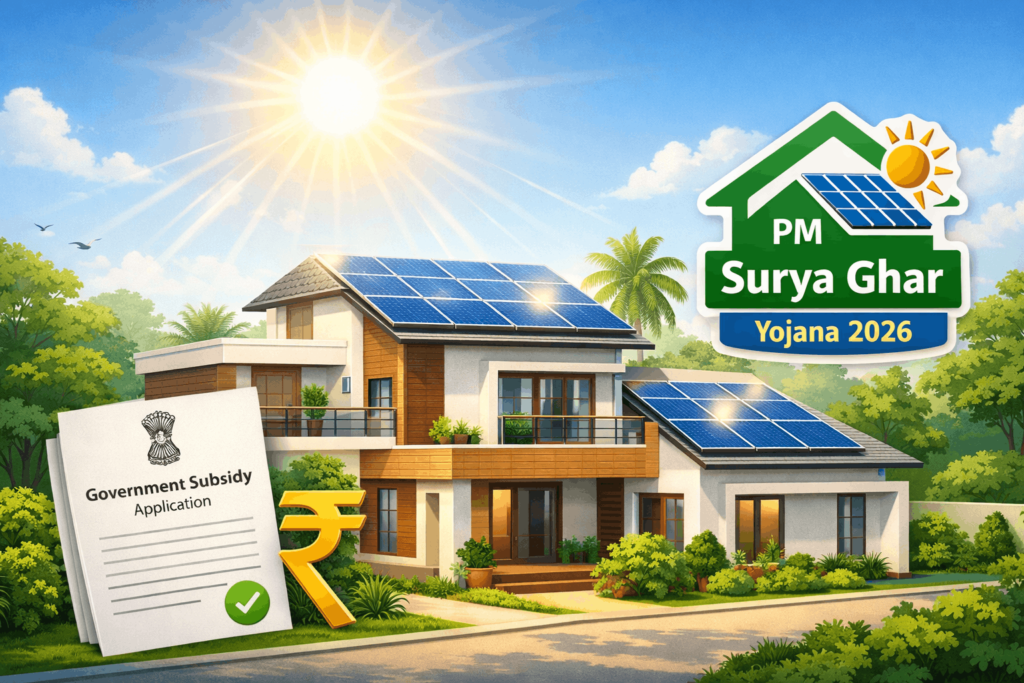
One of the trends we expect is the rapid expansion of rooftop solar systems. Earlier rooftop solar was considered expensive or complicated. Today it is becoming more affordable, accessible and easier to install. Government schemes like PM Surya Ghar are helping millions of households adopt solar systems. Rooftop solar installations are expected to increase across residential and commercial sectors.
At Desai Techno Solutions Private Limited, we are seeing growing interest from apartment owners, housing societies, small businesses, offices, educational institutions, retail shops and industrial units. People are not just looking for electricity. They are looking for long-term value. A designed rooftop solar system can reduce electricity bills for 20–25 years. This makes solar one of the long-term investments for Indian households and businesses. People are also becoming more aware of system quality. They understand that proper system design, quality and installation standards matter more than just choosing the cheapest panels.
2. Solar + Battery Storage Will Define the Future
Until recently most solar systems in India were grid-connected setups without batteries. Between 2026 and 2030 battery energy storage systems are expected to become one of the growth areas in Indias renewable-energy sector. People want backup during power cuts, energy independence, better power reliability and maximum use of energy.
Battery systems allow users to store solar energy generated during the daytime and use it later at night or during outages. This trend is becoming especially important in cities where uninterrupted power is critical for businesses, offices, clinics and commercial operations. At Desai Techno Solutions Private Limited we believe hybrid solar systems combining panels with battery backup will become standard solutions in the near future
3. Smart Solar Technology Will Change Everything
The future of solar is not about panels. It is about energy systems. Between 2026 and 2030 India will see growth in AI-based monitoring, smart inverters, mobile energy-management apps, predictive maintenance software and automated performance tracking. Modern solar systems are becoming smarter every year.
Today, users can monitor energy generation, battery performance, electricity consumption, grid export and savings data directly from their smartphones. This level of control helps customers optimize energy usage and identify issues early. Desai Techno Solutions Private Limited focuses on shifting from simply installing panels to delivering complete energy-management solutions.
4. Commercial and Industrial Solar Adoption Will Rise Rapidly
The commercial and industrial sector is expected to become one of the drivers of solar growth in India. Factories, warehouses, malls, hotels, hospitals and corporate offices consume a lot of electricity every day. Rising power tariffs are forcing businesses to search for cost- alternatives. Solar energy provides that. According to market reports, commercial and industrial applications already represent one of the segments in India’s solar market.
Businesses are realizing that solar energy offers long-term savings, operational cost control improved sustainability image, reduced carbon footprint and energy security. Many companies are adopting solar to meet ESG goals and sustainability commitments. Over the five years industrial solar rooftops, captive solar plants and open-access solar projects are expected to grow significantly.
5. Domestic Solar Manufacturing Will Expand
India has depended on imported components for many years. The government is now encouraging domestic manufacturing. Policies like Production Linked Incentive, Basic Customs Duty and ALMM approvals are helping strengthen Indias local solar manufacturing ecosystem. This means India will manufacture modules, solar cells, batteries, inverters and mounting structures within the country itself.
This is a development because stronger domestic manufacturing can reduce import dependence improve supply chain stability create jobs, lower long-term costs and strengthen Indias energy security. At Desai Techno Solutions Private Limited we see this as a step for both the industry and customers.
6. Green Hydrogen Will Create Huge Solar Demand
Green hydrogen is expected to become another driver of solar-energy growth in India. Hydrogen production requires a lot of electricity. To make hydrogen “green ” that electricity must come from sources like solar and wind. As India pushes its green-hydrogen mission forward demand for scale solar projects is expected to increase dramatically.
Industries like steel, fertilizers, shipping, refineries and heavy manufacturing may rely on solar-powered hydrogen systems in the coming years. This could create business opportunities within the renewable-energy ecosystem.
7. Floating Solar and Hybrid Projects Will Grow
Land availability is becoming a challenge for solar projects in India. To solve this issue floating solar installations are gaining popularity. These systems are installed on lakes, reservoirs, dams and industrial water bodies. Floating solar offers benefits like reduced land usage, better panel cooling, lower evaporation losses and higher efficiency in some conditions. At the time hybrid renewable projects combining solar, wind and battery storage are becoming more important. Hybrid systems help provide stable and reliable renewable power to the grid.
8. Distributed Energy Systems Will Become Important
Indias energy future may not rely only on giant power plants. Instead decentralized energy systems are expected to play a role. Distributed Energy Resources include rooftop community solar microgrids, battery systems, solar pumps and behind-the-meter storage.
Experts believe these systems can help India achieve its renewable-energy targets faster because they can be deployed quickly and closer to consumption points. This is especially valuable in areas where grid infrastructure’s weak land acquisition is difficult electricity demand is growing rapidly.
9. Challenges the Industry Must Still Overcome
Although the future of solar in India is very bright there are still challenges. Indias power grid needs modernization to handle renewable-energy integration. Battery systems are still expensive for consumers although prices are decreasing. Large utility scale projects sometimes face delays related to land acquisition and approvals. Many consumers still lack understanding of solar technology, system sizing, maintenance and return on investment.
At Desai Techno Solutions Private Limited we believe education and transparent consultation will play a role in building long-term customer trust. The future of energy is not just about technology, it’s about people. It is, about families reducing expenses businesses becoming more competitive students studying without power interruptions rural communities getting reliable electricity and cities becoming cleaner and more sustainable.
Solar energy is slowly changing how Indians think about power, sustainability and independence. For generations renewable energy is no longer just an environmental issue. It is becoming part of lifestyle choices and smart financial planning. Indias solar industry is going to see a big change between 2026 and 2030. This is going to be one of the exciting times for the solar industry in India.
There are some things that will change the future of the solar industry. These include:
- People putting panels on their rooftops really fast
- Using solar panels and batteries together
- New smart solar technologies
- Factories using solar power
- Making solar panels, in India
- Making hydrogen
- Building panels that float on water and hybrid solar projects
- Creating energy systems that are not controlled by one company
The next few years are going to change a lot of things. They will change how we make energy. They will also change how people live, work save money and make the world a better place.
Planning a rooftop solar installation?
Connect with Desai Techno Solutions today and take the first step toward smart energy savings